Once again we were introduced to some really great sites.
Common Sense Education- plickers, kahoot. Resources and reviews.
Google Earth
Google Classrooms
Second Life- virtual characters
Gather Town- video chat. 2D animations.
Double, Kubi, VGo.
Massive Open Online Courses.
IXL.com
Minecraft
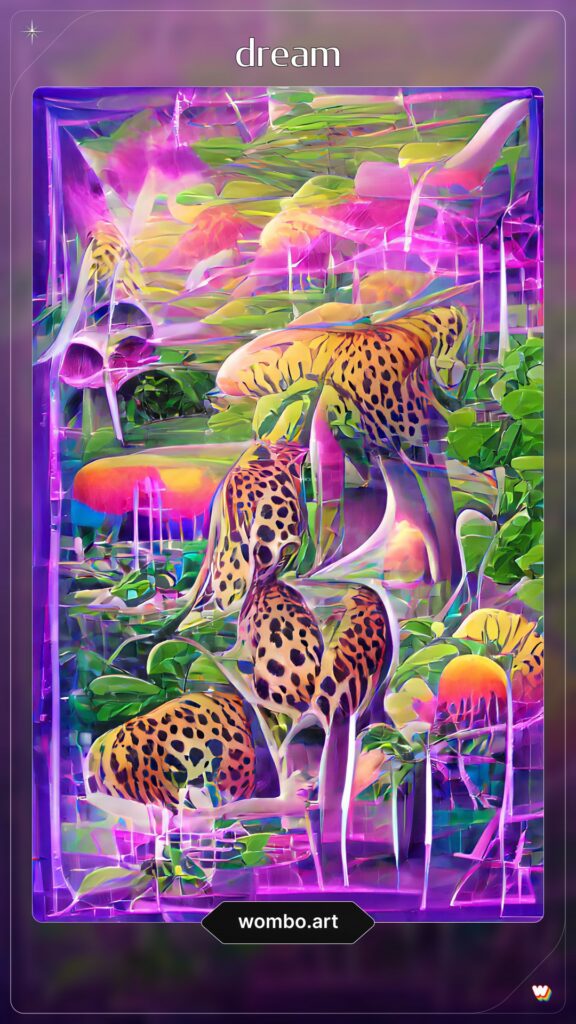
Wombo
Other notes: The pandemic has shown us that online learning cannot fully replace face-to-face learning. The 5 Rs: decolonizing and indigenizing online learning- respect, reciprocity, relevance, responsibility, relationships. Learning Analytics- can be intrusive. You can set up your own google classroom and take a course to familiarise yourself with it.
I played Minecraft for the first time and it was really fun. I understand the appeal, finally! It was fairly easy to use which I appreciated. I am not confident enough to use it in an education context, but perhaps at some point I will be. My colleague Cori has published two books that serve as parents’ guides to Minecraft, which she said I could borrow!
My students are laughing at me. Again. That’s fair. I’m 60. I get it. Not supposed to be cool. I remember when I was a middle schooler, Miss Wexter, that old hippy, would tape toilet paper over the VHS where the subtitles were, because she didn’t know how to remove them. We were watching Sound of Music, her favourite, for the fifth time. We’d sit smiling at our crotches, at the Nokia phones we were making half-hearted attempts at hiding, their black-and-white screens flashing expensive, purposeless text messages. When my best friend Anne would make a snorting laugh in the middle of Edelweiss, Wexler would pull the plug out of the TV and rage. She’d yell at us ungrateful children that we would snap out of this phase, that mobile phones were just the new pokemon cards, except for the fact that these new toys were cancer-inducing. If anything important ever was to be said, it would be done so on a stationary phone, a letter, or face-to-face. Poor Miss Wexler. I wonder what happened to her, if she had the energy to rage against machines until her death. Perhaps that’s what these kids think about me. I try to hide my phone addiction from them, typing at the screen under my desk. I don’t even bother to bring my Tabtop to school anymore. It’s like they have an allergy to screens, or anything from the past. The only thing worthy of their written text is 100 percent organic, ethically sourced papyrus. Their favourites are the beet-died and herbal-infused. This trend started about 10 years ago, when more and more students started complaining about the white A4 of my time gave them headaches, and parents chipping in that their white blank shininess was almost the equivalent to, god forbid, screens!
Today I am teaching a social studies class on the covid pandemic. This is the reason that they are laughing. I have dressed up as if it’s 2020. At least the laughter relieved some of the tension that first arose when the students walked in this morning. Seeing the tech devices I had hunted down, my old non-working Iphone and an equally dead MacBook which I borrowed from the library’s archives, they shuddered and hurried to their desks. No one, save for Cardamom, accepted my invitation to come up to the desk and touch them. For this special day, I was also wearing a wig, to hide my purple hair underneath. Back in the day, my hair was earth tone, or as you said then- natural.
“Why was everyone’s hair so boring and unhealthy-looking back then?” asks Castor, hair currently black with red polka dots.
“Well, people just liked it that way.”
“Did they only wear earth tone clothes too? Did they HAVE colour back then?”, asks Elf.
Whether they are mocking me on purpose or just are blissfully ignorant, they are sure as hell annoying me. I take the wig off and decide to skip to the meat of the lesson.
“Technology”, I say, letting the word linger in the air for a second, allowing for impact. “Has been a controversial topic ever since the pandemic ended in 2025.”
I turn to the large papyrus cloth that covers the whole wall behind me and get out my quill. I scribble ‘The Natural Revolution’ in large letters, and ask them what they know about it. Cardamom’s hand is as usual the first to go up.
“The Natural Revolution started in 2026. They discovered that 5G networks were making everyone sick and caused the pandemic. Also, the evil tech giants were wanting to much control, so the people took power back and threw out their technology.”
“Thank you, Cardamom”, I said. “I just want to point out, that some political parties believed 5G networks were behind covid, however, it has never been proven. Also, I know you’re a smart bunch, but just to clarify, since I’ve had to in the past, the tech giants weren’t actual, like, proper fairy tale giants…”
To my relief, the class laughs. So they’re not THAT ill informed, at least.
Leopard puts his hand up and says:
“Once I went to this country, I don’t remember what it’s called, that has electricity and my head really hurt and I got skin rashes.”
“That happens to me when my mum doesn’t dye my hair with dandelion and lilac essence”, Castor chipped in.
Their hairs are all coloured with natural dies. The trend started when I was in my early forties. It had begun in extreme naturals circles, where they believed the dye and essences sent nourishment back into your roots, your scalp, and then into your brain. Bullshit, if you ask me, which I still believe to this day. But you don’t want to be the only earth toned head on the continent. So I gave in, and have stuck with purple over the last decade. Around the same time, they made tie-dye unisex dresses mandatory for all government-funded staff. There, I didn’t have a choice. Miss Wexter might actually have liked this era more than me.
At night I take the pedal bus home. I’m lucky to get a back spot on the 30 person tandem, so no one sits behind me and can tell that I’m not pedalling. I’m 60. I’m tired. 30 years until retirement suddenly seems like a long time.
Michael introduced us to some new sites, tools and concepts today.
menti.com
Students can answer questions to prompts, and their replies will be collected anonymously and presented in beautiful patterns.
mural.com
This requires no log-in and is very quick and easy. It is basically a site for virtual post-its where you can work collaboratively and see changes in real time.
Powerpoint tool
We were shown that if you simply have an image and a text on powerpoint, you can easily enhance the layout by just a few clicks. Powerpoint surprises once again!
Instructional Wrap
To make students think and inquire about a topic, you can put up an image and write/ask: What do you see? What do you know? What do you wonder?
SAMR
Stands for: Substitution, Augmentation, Modification, Redefinition, and is about how tech can enhance learning (e.g. google docs, recording a presentation, etc.)
Conversations
In my small group, we talked about how much we enjoyed ed camp, where one student got to teach others about an area of expertise. Kids can also do this, making them feel confident and empowered. We also thought that there should be more discussions during class for the younger grades, as learning is partly social, and it helps them think critically and creatively. However, instead of just instructing them to ‘reflect’, the teacher should provide a scaffold, such as prompts or guidance for the discussion. Some Talk Structures are: Think Pair Share, Snowball Conversation, Fishbowl Conversations
Tracy had an eye-opening lecture about how tech and students with varying disabilities. Often disabled students can be denied tech, have outdated tools, or not enough access or knowledge to sufficiently use them. Even though tech is often used as a communication tool for these students, it can often be removed from students as a punishment.The parents of these students also want more access to and training in tech. For example, Fresh Grade is something seemingly simple and often used, yet it should not be assumed that all parents know how to use it.
It seems in many cases that to access full support, the student needs to have an official designation, as this relates to funding. Unfortunately, there are huge waitlists for assessments, and students should not have to wait to access the proper tools to aid their learning.
Tracy mentioned ‘ableism’ which is a social prejudice against people with disabilities; thinking that they are less and that their designation defines them. As we live in a capitalist society, we are often valued by our work and our ability to work.
We should have engaging, collaborative meetings with unions, principals, students and families to make sure these students are heard and helped. No one should be excluded or fall through the cracks.
Right after this class, I went to visit my practicum placement for the first time. I am in a grade 1 and there were three students with varying disabilities. One of them was hard of hearing and had a hearing device. To help him, the teacher wore a microphone around her neck, that was connected to some speakers in the room. She said all of the rooms in the school had these, and they were often used in classes where no one had a hearing impairment, for the sake of the teacher not having to yell, and the students being able to hear even in the back. I thought this was great. It reminds me of something our class was told last year by some educators: If you find something that benefits one student, it will likely also benefit the rest of the class. The Grade 1s were doing a show-and-tell when I arrived, and the teacher gave the necklace-like microphone to one of the kids when it was their time to present, and they seemed really used to it.
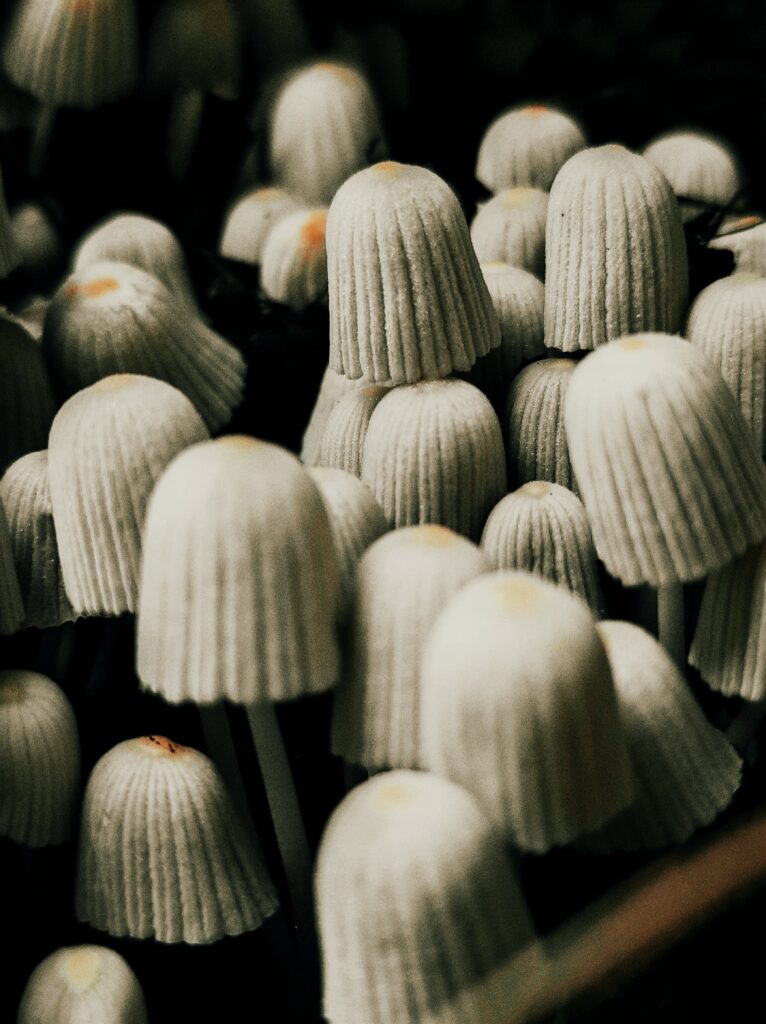
This friday we had ed camp and discussed various relevant topics. In the group with Nisa, she shared some of her expertise regarding foraging and plants. The whole group agreed that it is extremely valuable to bring nature into the classroom, and engage children in nature outdoors. I had an inquiry presentation on this topic last term, but it was so useful and interesting to hear others’ ideas and perspectives. We talked about guided foraging trips, school gardens, and how this all connects to First Nations concepts of interconnectedness. Fungi are also extremely fascinating and ‘intelligent’ species, and now I want to learn more! Apart from picking chanterelles in Sweden in the autumn, I haven’t engaged that much in these beautiful, mystic things. Thanks Nisa for an inspiring discussion!
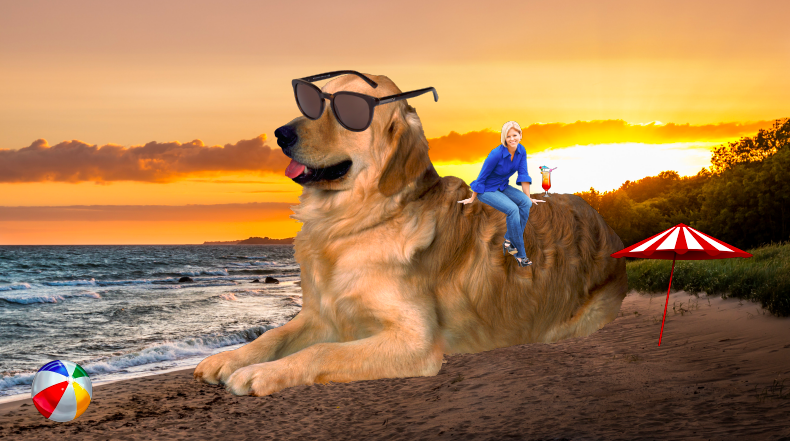
Who knew one could have so much fun and so easily create masterpieces such as the one above so easily? Honestly, impressed with how simple it was to create collages without background. Will definitely use with my future students! I am also all for using familiar technology that is free and fairly straight-forward. Shout out to Michael and Hans for assisting me with this piece of art.
Jesse Miller’s talk was super refreshing. Instead of simply vilifying or victimizing children regarding their technology and social media use, he focused on the larger picture. We model our behaviours, good and bad, intended or not, onto children. And the truth is, adults use their phones excessively, and are the creators of the majority of toxicity and crimes online. We also, on the other hand, enjoy and learn a lot from technology. So why have such a dismissive attitude when it comes to children’s use of it? Jesse emphasised that while yes, some troubled youth may spend a lot of time online, the screen time or content itself is not the real issue, but rather, the lack of a supportive, present role model. Instead of confiscating phones in school and banning screens at home, Jesse suggested instead to work WITH students; engage with their online life, ask questions, and help them regulate their use. This is a complex question, especially since a lot of tech companies are conspiring against us, engineering their algorithms in order to make profit from toxicity, outrage, and sensationalism. However, we should be scrutinizing them, not each other. Awesome talk by Jesse!
I made a screencast for the excellent website Pexels. Unfortunately, I was unable to edit it. My MacBook is apparently too old for iMovie, and when I tried to access my video from another computer, it would not download properly from my Google Drive. Ah well, I will check in with Michael next week for help.
I am excited for this course, and believe it’s absolutely necessary. However, as it is still only week 2, I am feeling a little overwhelmed with navigating all the new sites and technology.
I was very inspired today by all the resources we were shown. Something has never sat right with me regarding the site ‘Teachers Pay Teachers’. Perhaps what I dislike is obvious in just the name- teachers shouldn’t have to pay out of pocket for resources. Also, sharing between teachers for free should be encouraged. Therefore, I am grateful to have learned about sites such as: Open Educational Resources, Public Domain, Creative Commons, BC Open Textbook Project, Wikimedia, Unsplash and Pexels.
We watched the film ‘Most Likely To Succeed’ which was really inspiring. I agree with what they said about learning being ‘messy’. Humans are organic creatures; creative and unique, and standardizing school on a national, or global level does not always take that fact into account.